Understanding the Different Types of Stoves
Choosing a stove isn’t just about fuel type or heat output — the form factor and installation method play a huge role in how a stove looks, how it works in your space, and what’s structurally possible in your home.
Below, we break down the main stove types we stock at Opulence Stoves, explaining what each one is, where it works best, and how it’s typically installed.
Double Sided Stoves
What they are
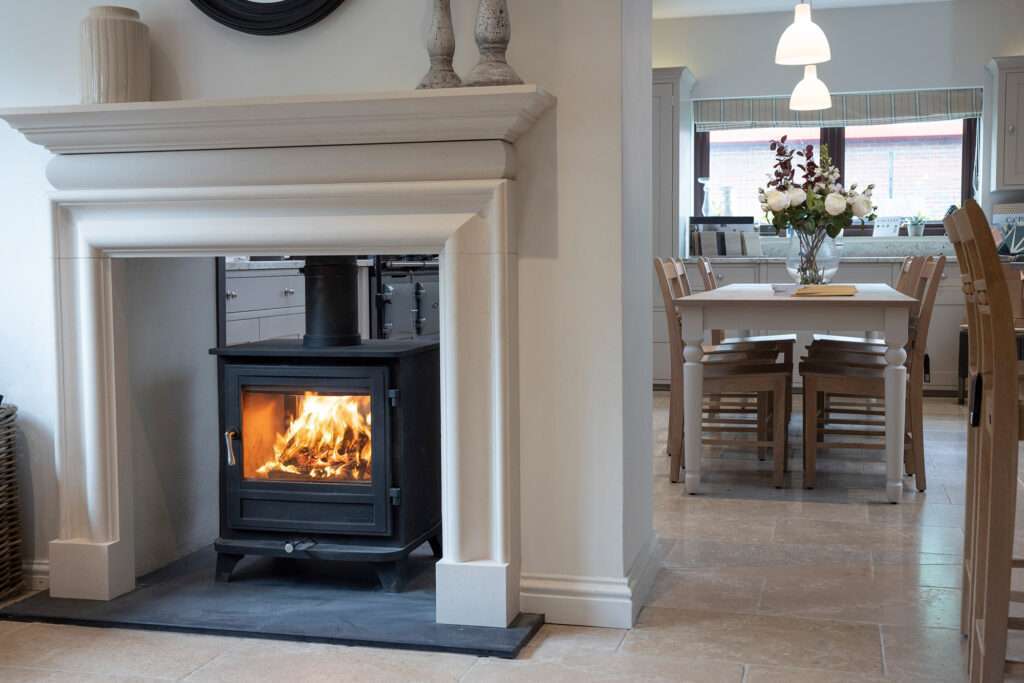
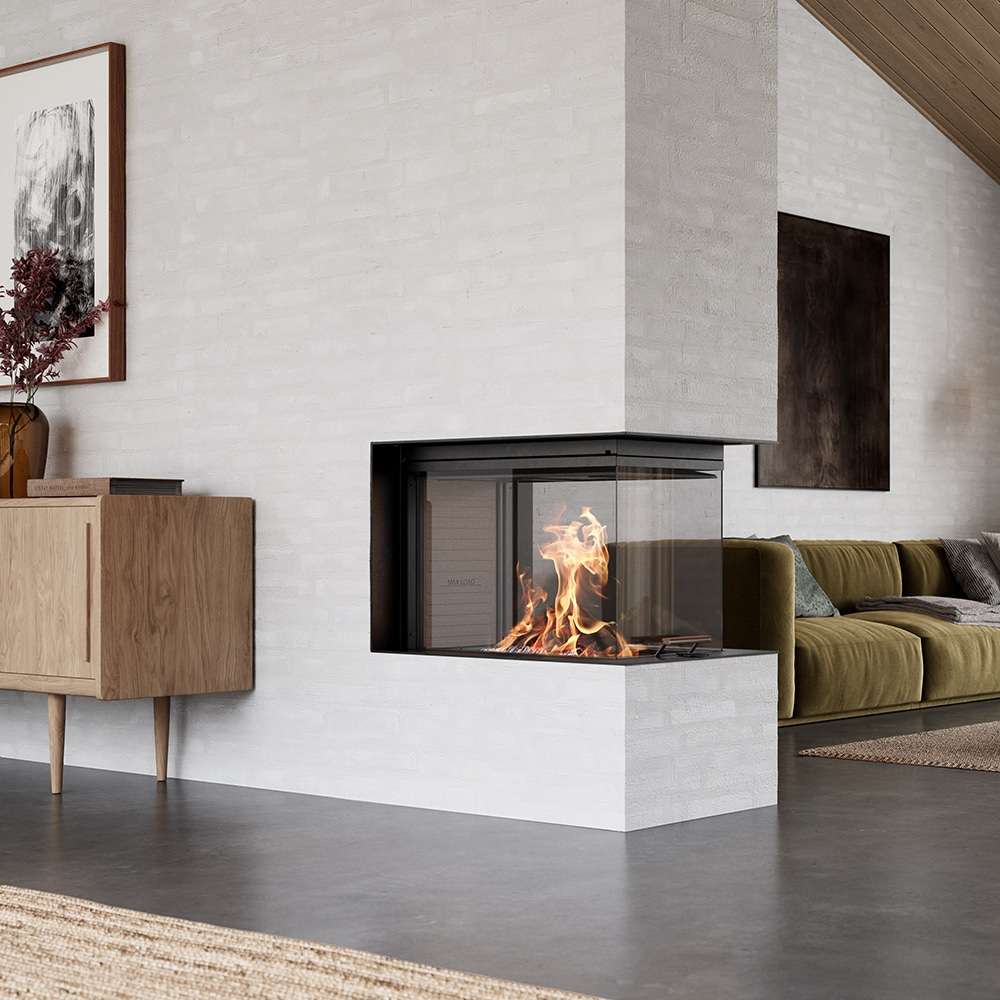
Double sided stoves (sometimes called see-through stoves) feature glass on two opposing sides, allowing the fire to be viewed from two rooms or two areas of the same space.
Where they work best
-
Between two rooms, such as a living room and dining room
-
In large open-plan spaces to visually divide zones
-
Homes where the fire is intended as a central design feature
They’re ideal when you want heat and visual impact in more than one area without installing multiple appliances.
Installation considerations
Double sided stoves are usually:
-
Built into a central wall or partition
-
Installed as a room-divider with a purpose-built chimney breast
Installation requires careful planning for flue routing, airflow, and heat clearances on both sides. Because of the structural work involved, they’re often included as part of a renovation or new build.
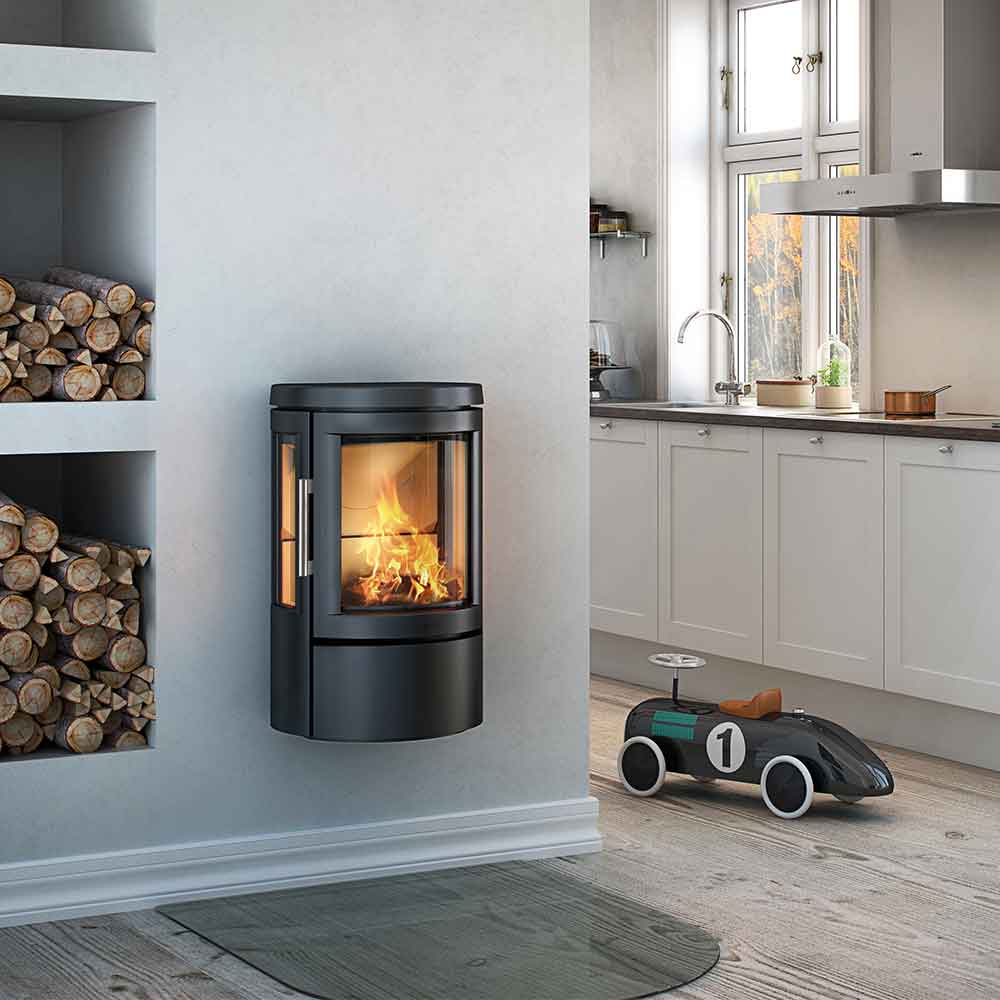
Wall Mounted Stoves
What they are
Wall mounted stoves are fixed directly to a wall rather than standing on the floor. They create a modern, floating appearance and free up floor space below.
Where they work best
-
Contemporary interiors
-
Smaller rooms where floor space is limited
-
Homes aiming for a minimalist or architectural look
They’re especially popular in modern living rooms and apartments.
Installation considerations
Wall mounted stoves require:
-
A structurally sound wall capable of supporting the stove’s weight
-
Secure wall brackets or mounting systems
-
A flue that typically exits vertically or horizontally through the wall
Because weight distribution is critical, wall construction must be assessed before installation.
Built In Stoves
What they are
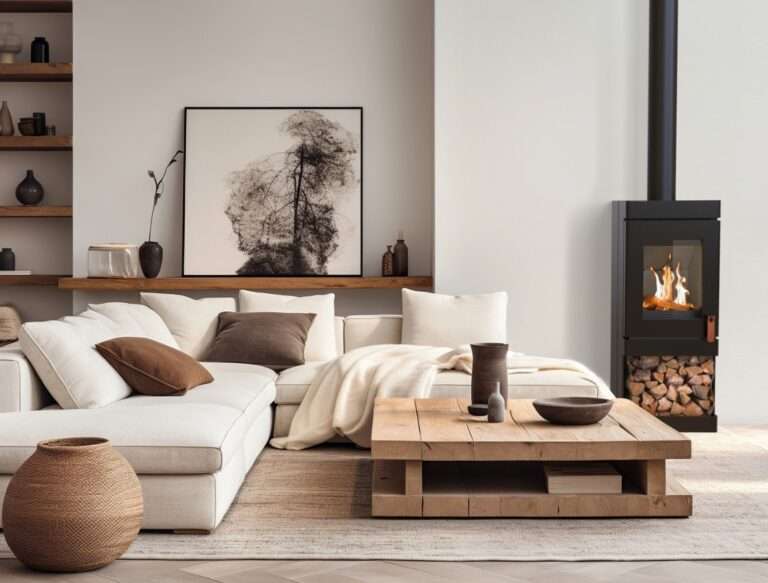
Built in stoves are fully integrated into a wall or chimney breast, with only the door and glass visible. This creates a clean, seamless appearance.
Where they work best
-
Modern or minimalist interiors
-
Media walls or feature walls
-
Homes where the stove should blend into the architecture
They offer a sleek alternative to traditional freestanding models.
Installation considerations
Built in stoves are:
-
Installed within a purpose-built recess or chimney breast
-
Often surrounded by non-combustible materials such as stone, plaster, or steel
Correct ventilation, heat shielding, and flue access are essential, making professional installation especially important.
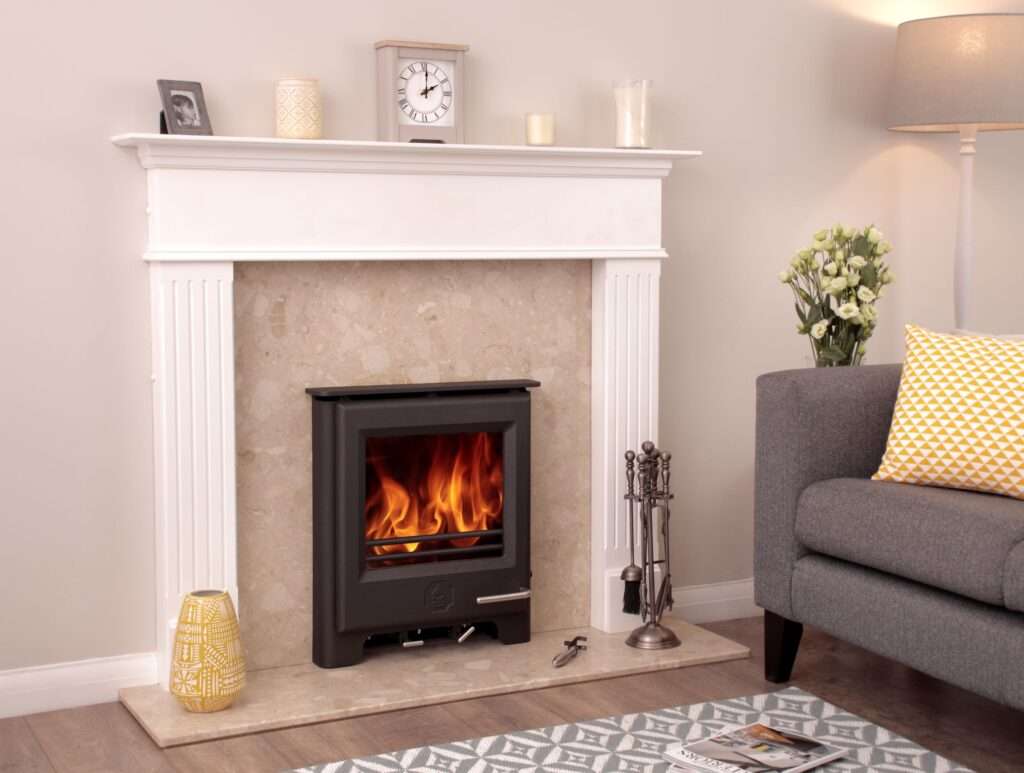
Inset Stoves
What they are
Inset stoves are designed to fit into an existing fireplace opening, replacing an open fire while keeping a traditional look.
Where they work best
-
Period properties
-
Homes with existing fireplaces
-
Renovations aiming to improve efficiency without changing character
They retain the charm of a fireplace but provide far better heat output and control.
Installation considerations
Inset stoves typically involve:
-
Preparing and lining the existing chimney
-
Fitting the stove into the fireplace recess
-
Adding a suitable surround or mantel if required
They’re one of the most straightforward upgrades for homes with a traditional chimney.
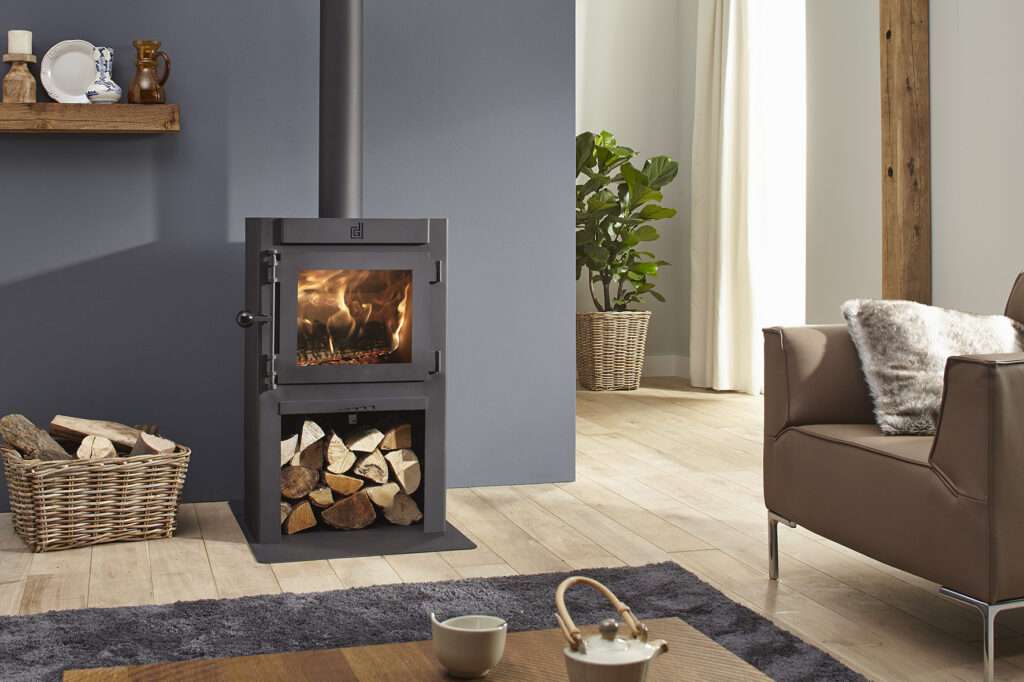
Freestanding Stoves
What they are
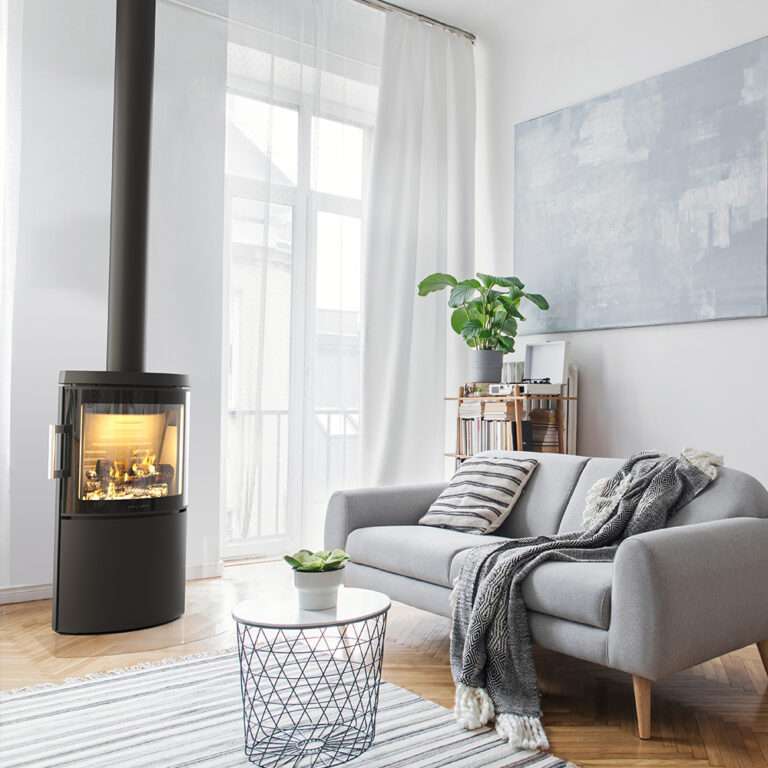
Freestanding stoves are standalone units that sit on the floor and are the most recognisable stove style.
Where they work best
-
Traditional and modern homes alike
-
Living rooms, open-plan spaces, and inglenooks
-
Properties without an existing fireplace (with the right flue solution)
Their versatility makes them the most popular option.
Installation considerations
Freestanding stoves require:
-
A suitable hearth
-
A flue system, either through an existing chimney or a twin-wall flue
-
Proper clearance from walls and combustible materials
They offer the widest range of installation possibilities and visual styles.
Choosing the Right Stove for Your Home
Every stove type has its own advantages, and the best choice depends on:
-
Your room layout
-
Existing chimney or flue options
-
Structural constraints
-
The look you want to achieve
If you’re unsure which form factor is right for your home, speaking with a stove specialist can help ensure you choose a model that’s both practical and visually stunning.
At Opulence Stoves, we offer expert guidance alongside our range to help you find the perfect fit for your space.